
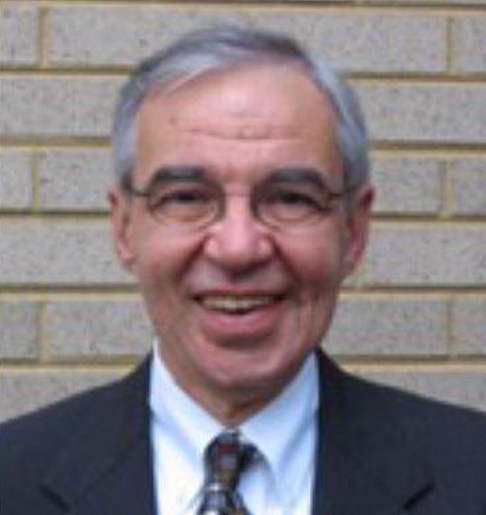
March marks Amyloidosis Awareness Month. We sat down with Charles, an 88-year-old retired cardiologist from Massachusetts, who shares what it’s like to diagnose and treat heart disease for decades and then face a diagnosis himself. His experience with transthyretin amyloid cardiomyopathy (ATTR-CM) offers a unique perspective on this underrecognized condition.
Key Takeaways
- Understand the early symptoms of ATTR-CM, such as orthopedic issues, in older adults to help prompt earlier diagnosis.
- Advocate for yourself and ask questions if you have recently been diagnosed.
As both a cardiologist and someone living with ATTR-CM, can you share a bit about your personal journey to diagnosis?
My path to diagnosis started with carpal tunnel syndrome in both hands. I was able to manage it for a few years with just a wrist brace. In 2020, there came a point where I couldn’t use a computer mouse for more than 10 to 15 minutes without having to stop, which is difficult as a physician.
I consulted a hand surgeon, and she scheduled surgery. Around that same time, I read about a study that found that ten percent of patients over age 50 undergoing carpal tunnel release surgery had a positive biopsy for amyloid.1 In fact, a more recent study has shown an even higher percentage.2 Knowing I fit some of the risk factors, like age, I asked the surgeon for a biopsy. The biopsy came back positive for amyloid, and several tests later, I received my diagnosis of ATTR-CM.
What was your reaction to your diagnosis?
I had two reactions to the diagnosis. My reaction as a physician was practical. What should I do next? Is there further testing? What treatments should I explore?
My reaction as a patient was far more emotional. Some bad words crossed my mind. I worried about survival, just like anyone else who receives this diagnosis. However, I started looking more closely at the data, such as survival curves. Before treatments existed, this diagnosis could be devastating, but the current treatment landscape made a big difference in how I approached my diagnosis.
What has surprised you the most about living with ATTR-CM?
My experience gave me a deeper appreciation of what we ask patients to endure. As physicians, we order lots of tests, draw blood and schedule procedures without fully recognizing what the experience is like from a patient’s perspective. My own journey gave me a new appreciation for that side of medicine.
Additionally, I was surprised by the blood pressure changes (orthostatic hypotension). I used to take medication for high blood pressure, but now my blood pressure tends to be low, especially after exercise.
I’ve also noticed changes in my exercise tolerance. I’ve been an avid runner for about 50 years. I used to run three days a week, training on sections of the Boston Marathon course. I even achieved my goal of running a 5K after the age of 80. Today, I still jog and walk, but the distances are much shorter. It’s hard to know how much of my decrease in exercise tolerance is due to amyloidosis versus aging.
Why do you think ATTR-CM is still underrecognized? What can help improve earlier diagnosis?
Many early symptoms are vague, especially orthopedic issues like carpal tunnel syndrome or ruptured tendons. It’s not uncommon for patients to develop heart failure symptoms many years later, after earlier orthopedic clues have not been appreciated.
Primary care physicians are often the first to see these patients. Recognizing potential symptoms in older adults, like carpal tunnel syndrome, peripheral neuropathy or unexplained heart failure, can help prompt testing for amyloidosis.
What message do you want patients and clinicians to remember about ATTR-CM?
For clinicians, if you see cardiomyopathy or related orthopedic symptoms in older adults, think about amyloidosis. And for patients, especially those who are newly diagnosed, hang in there. As the British saying goes, “keep calm and carry on”. Seek providers who are knowledgeable about amyloidosis. Ask questions. Advocate for yourself. The future for people living with ATTR-CM is far more hopeful than it ever was before.
1 Sperry BW, Reyes BA, Ikram A, et al. Tenosynovial and Cardiac Amyloidosis in Patients Undergoing Carpal Tunnel Release. J Am Coll Cardiol. 2018;72(17):2040-2050. doi:10.1016/j.jacc.2018.07.092
2 Razvi Y, Gilbertson J, Heras-Palou C, et al. Early Diagnosis of ATTR-CM Using Carpal Tunnel Biopsy Examination: EDUCATE: A United Kingdom Prospective Multicenter Study. JACC Heart Fail. Published online January 12, 2026. doi:10.1016/j.jchf.2025.102890